How Do You Remove Pet Stains From Carpet? A Practical, Pet-Safe Guide (Bakersfield, Rosedale & Seven Oaks)
Pet stains happen—even in the cleanest homes. The good news is that most pet accidents can be removed (and the odor eliminated) if you act fast and use the right method for the type of stain: urine, vomit, feces, or muddy paw prints. This guide explains exactly how to remove pet stains from carpet step by step, what not to do, and when it’s smarter to call a professional for Carpet Cleaning Bakersfield, carpet Cleaning Rosedale, CA, or Carpet Cleaning in Seven Oaks.
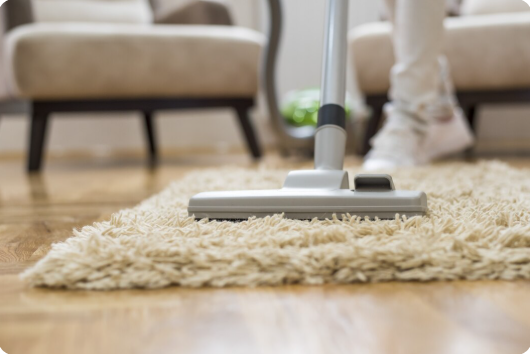
If you want a deep-clean that lifts stains from the carpet backing and neutralizes odor at the source, Central California King of Clean LLC provides professional carpet cleaning across Bakersfield, Rosedale, and Seven Oaks—using pet-safe processes designed for real-life messes.
Quick Answer: What’s the Best Way to Remove Pet Stains From Carpet?
Blot the area immediately, flush lightly with cool water, apply an enzyme-based cleaner, let it dwell (10–15 minutes or as directed), blot again, rinse, and dry thoroughly. Avoid heat (steam, hot water, hair dryers) until the stain and odor are fully removed because heat can permanently set proteins and lock odors into the carpet pad.
Why Pet Stains Are So Hard to Remove
Pet stains are not “just surface stains.” Many accidents soak downward into:
- The carpet fibers
- The backing
- The padding (the most common odor source)
- Sometimes even the subfloor
Urine is especially tricky because it can dry into crystals and re-activate with humidity. That’s why carpets may smell “fine” after cleaning—then odor returns weeks later.
Identify the Type of Pet Stain First (This Matters)
Before you start, figure out what you’re dealing with:
1) Pet urine (most common)
- Yellow tint
- Strong ammonia-like smell when dry
- Often spreads wider than you can see
2) Vomit
- Protein + acid + dye from food
- Can leave a light stain plus lingering sour odor
3) Feces
- Solid plus bacteria
- Needs disinfection (pet-safe) after removal
4) Mud/dirty paw prints
- Mostly soil-based
- Easy to remove if you wait for it to dry first
Tip: If you can’t find the spot but smell it, use a UV/blacklight in a dark room. Urine often glows yellow-green.
What You’ll Need (Simple Home Kit)
You don’t need fancy equipment. Here’s a practical kit:
- White paper towels or clean white cloths
- Spray bottle
- Cool water
- Enzyme-based pet stain remover (for urine/vomit/feces)
- Baking soda (optional for odor support)
- Vacuum (ideally with strong suction)
- A fan (for drying)
- A dull butter knife or spoon (for solids)
Avoid: colored towels (they can transfer dye), harsh bleach, and anything with strong perfumes that mask odor instead of removing it.
Step-by-Step: How to Remove Fresh Pet Urine From Carpet
Fresh urine is the easiest to fix—if you do it correctly.
Step 1: Blot, don’t rub
Press down firmly with paper towels. Replace towels until they come up mostly dry.
Why: Rubbing pushes urine deeper and spreads it wider.
Step 2: Lightly rinse with cool water
Spray a small amount of cool water onto the area (don’t soak the whole carpet). Blot again.
Step 3: Apply an enzyme cleaner
Spray enzyme cleaner generously to reach the same depth as the urine.
Important: Enzymes need contact time to work. Follow the label.
Step 4: Let it dwell
Usually 10–15 minutes, but some products require longer.
Step 5: Blot again
Blot until the area feels only damp.
Step 6: Rinse and blot (optional but helpful)
A light cool-water rinse helps remove leftover residue that can attract dirt.
Step 7: Dry completely
Place a fan facing the spot for 2–4 hours (or longer if needed).
Drying is odor control. Damp padding = odor return.
How to Remove Old/Dried Pet Urine Stains (The “It Keeps Coming Back” Problem)
Old stains often reappear because urine soaked into the pad.
Step 1: Find the full size of the stain
Use a UV light or check for stiff/crunchy fibers.
Step 2: Rehydrate the area (carefully)
Mist with cool water—just enough to slightly soften dried residue.
Step 3: Saturate with enzyme cleaner
For old stains, you often need enough solution to reach the padding. This is where DIY limits show up.
Step 4: Cover and dwell longer
Some enzyme treatments work best when kept slightly moist. You can cover with plastic wrap (per product instructions) for 30–60 minutes.
Step 5: Blot, rinse, dry thoroughly
If odor returns after drying, the pad is likely contaminated deeper than surface cleaning can reach.
When old urine keeps returning: Professional extraction and deodorizing is usually the fastest way to truly fix it. This is a common call for Carpet Cleaning Bakersfield and carpet Cleaning Rosedale, CA homes—especially in high-traffic family areas.
How to Remove Pet Vomit From Carpet
Vomit contains proteins and acids, so speed matters.
Step 1: Remove solids gently
Use a spoon or dull knife. Don’t press downward.
Step 2: Blot moisture
Use white towels.
Step 3: Apply enzyme cleaner (or protein stain remover)
Let it dwell, then blot.
Step 4: Rinse lightly
Cool water only.
Step 5: Dry fast
Use a fan to prevent wicking and odor.
Avoid: vinegar on some vomit stains—it can react unpredictably with dyes and doesn’t break down proteins as well as enzyme cleaners.
How to Remove Pet Feces Stains From Carpet (Safely)
Step 1: Lift solids
Use gloves if possible.
Step 2: Blot residue
Don’t smear. Work from outside toward the center.
Step 3: Use enzyme cleaner
This helps break down organic material and reduces odor.
Step 4: Pet-safe disinfecting
After the stain is gone, you can use a pet-safe disinfectant (follow label). Don’t over-wet.
Step 5: Dry completely
Moisture left behind can cause odor or fiber damage.
How to Remove Mud and Paw Prints From Carpet
Mud is easier when it’s dry.
Step 1: Let it dry fully
Trying to clean wet mud often spreads it.
Step 2: Vacuum thoroughly
Go over it slowly, multiple passes.
Step 3: Spot clean
Use a mild carpet-safe solution, blot, rinse lightly, dry.
The Biggest Mistakes That Make Pet Stains Worse
These are the common reasons stains “never go away”:
- Scrubbing hard (pushes stain deeper and frays fibers)
- Using hot water or steam too early (sets stains and odors)
- Over-wetting the carpet (soaks the pad and grows odor)
- Using soap-heavy cleaners (sticky residue attracts dirt)
- Masking odor with fragrance (odor returns later, often worse)
How to Know If You Need Professional Carpet Cleaning
DIY works best for fresh, small accidents. Professional help becomes the smarter choice when:
- The stain is old or you don’t know how long it’s been there
- Odor returns after cleaning and drying
- The stain spread into padding (common with repeated accidents)
- You’re dealing with wall-to-wall carpet in family rooms or bedrooms
- You want a full refresh for resale, move-in, or seasonal deep cleaning
For homeowners in Bakersfield, Rosedale, and Seven Oaks, professional extraction can remove what household blotting can’t reach—especially deep contamination in the pad.
Professional Pet Stain & Odor Removal in Bakersfield, Rosedale & Seven Oaks
Central California King of Clean LLC provides targeted solutions for pet stains and odor, including:
- Deep extraction for urine and organic spills
- Pet-safe cleaning options
- Deodorizing focused on the source (not just surface scent)
- Honest recommendations based on your carpet type and stain severity
If you’ve tried spot cleaning and the odor keeps returning, a professional assessment can save time, prevent repeat accidents (pets often return to the same “marked” spot), and protect your carpet investment.
This is also why many local residents searching for Carpet Cleaning Bakersfield, carpet Cleaning Rosedale, CA, or Carpet Cleaning in Seven Oaks choose a dedicated pet-stain approach rather than a generic “quick clean.”
Prevention Tips That Actually Work
A little prevention reduces repeat stains:
- Blot accidents immediately and dry thoroughly
- Use enzyme cleaner (not just soap) on every urine accident
- Train with consistency (pets repeat if the scent remains)
- Place washable rugs in high-risk areas
- Schedule periodic professional cleaning if you have multiple pets
5 FAQs (Short Answers)
1) What is the fastest way to remove pet urine from carpet?
Blot immediately, apply an enzyme cleaner, let it dwell, blot again, rinse lightly with cool water, and dry completely with a fan.
2) Does vinegar remove pet urine smell from carpet?
Vinegar can reduce smell short-term, but it doesn’t break down urine crystals like enzyme cleaners. For true odor removal, enzymes work better.
3) Why does my carpet still smell like urine after cleaning?
Usually because urine soaked into the carpet pad or subfloor. Surface cleaning can’t fully remove deep contamination, so odor returns when humidity rises.
4) Can I use steam cleaning on pet stains?
Not at first. Heat can set stains and lock odors into padding. Steam is best after stain treatment is complete—or done professionally with correct chemistry and extraction.
5) When should I call a professional for pet stains?
If the stain is old, odor returns, accidents happened repeatedly in the same area, or the carpet feels damp/thick underneath—professional extraction is typically the most effective fix.
“Contact Us for Your Carpet Cleaning in Bakersfield, CA
Company Name: Central California King of Clean LLC
Service Area: Bakersfield, CA & Nearby Area
Phone: +1 661-427-9081
Google Business Profile
“